2026: From Attention to Intention

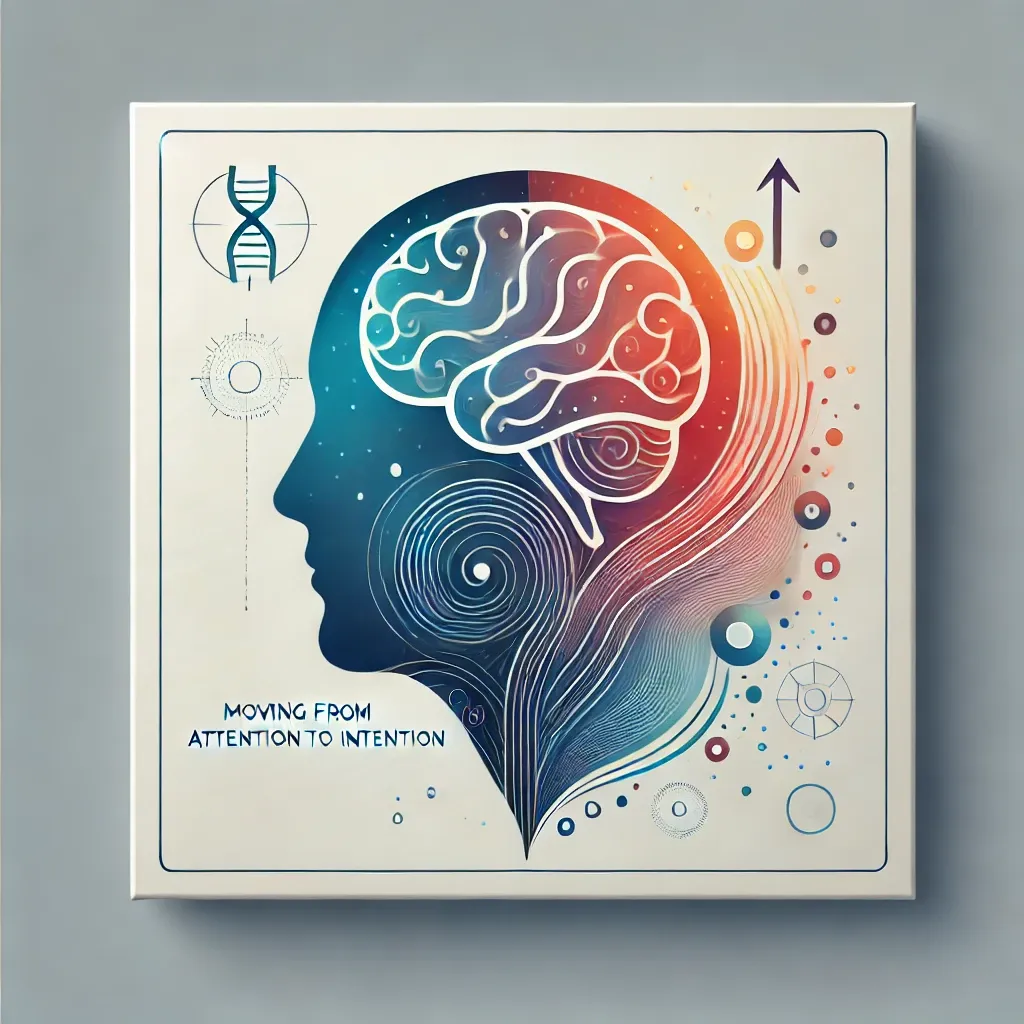
The new growth equation for brands
Opening
At a time when our region is living with uncertainty, tension and constant emotional pressure, any conversation about growth, brands and marketing needs to begin with awareness.
2026 does not feel like just another year of new tools. It feels like a year of reassessment. Because what is changing is not only technology, but the way demand itself is created.
If I had to capture that shift in one sentence, I would say this: 2026 marks the move from attention to intention.
Essay
For years, marketing followed a relatively simple logic: the more visible a brand was, the more likely it was to enter the consumer’s mind. That principle still matters. But the environment around it has changed dramatically.
Attention today is fragmented, expensive and difficult to sustain. People encounter thousands of messages every day, yet only a handful truly register. Being seen is no longer enough.
At the same time, the process of choosing is changing. Artificial intelligence, recommendation engines and digital assistants are increasingly sitting between brands and consumers. People no longer search entirely on their own. They ask systems to filter, compare and recommend. In many cases, these systems narrow the field before the consumer even sees the options.
This means brands are no longer speaking only to people. They are also speaking to systems.
And this is precisely why branding becomes even more important. When choices are filtered through algorithms and automated recommendations, sameness becomes dangerous. If a brand lacks a clear identity, a distinctive character and a strong reason to exist, it risks disappearing into simple comparison.
The same shift is visible in the way influence is measured. For several years, the industry has grown comfortable evaluating success through fast metrics: likes, views, clicks and engagement rates. These numbers can be useful, but they rarely explain real impact. What matters more is credibility, consistency and the relationship that develops over time.
That is also why smaller communities and more trusted voices are becoming more influential. As large algorithmic platforms grow more impersonal, trust often matters more than sheer visibility.
All of this leads to a deeper question about growth. Over the past decade, many companies have invested heavily in performance tools designed to capture existing demand. These tools are powerful and often necessary. But intention rarely appears at the moment of search. It is not created inside a dashboard.
It is built much earlier — through memory, experience, emotion and steady presence.
The organisations that will stand out in the coming years will not necessarily be those doing the most. They will be those making clearer choices about where to invest their energy, creativity and resources.
Because effectiveness is not a function of activity volume. It is a function of decision quality.
Ultimately, the real challenge for businesses in 2026 will not be to speak louder. It will be to build enough memory, trust and distinctiveness so that when intention finally appears, the brand is already there.
Framework: From Attention to Intention
1. Attention alone is no longer enough
Visibility does not automatically translate into choice.
2. Intention is built before the search
It grows through memory, experience and mental availability.
3. Brands now speak to systems as well as people
AI and recommendation engines are reshaping how decisions are made.
4. Growth is about choices
Effectiveness comes not from more activity, but from better decisions.
Takeaway
The battle for growth is no longer decided only by who captures attention. It is decided by who builds memory, trust and reasons for choice before the need even appears.
Spyros Lavranos writes about decision-making, organisational systems and growth, drawing on boardroom experience and real-world business challenges.